
NordVPN回国好用吗?海外党亲测:从选择到使用的全攻略(附迅游/云极/Quickback/快帆对比)

As an overseas student in Australia, I’ve lost count of the times I’ve stared at a “content unavailable in your region” message while trying to watch my favorite Chinese drama on iQIYI, or struggled to send a WeChat Red Packet because my IP was flagged as foreign. Geo-restrictions are the bane of every overseas Chinese’s existence, and many of us turn to tools like NordVPN for回国 access—but does NordVPN really deliver for our specific needs? Are alternatives like 迅游 and 云极 worth trying? And when it comes to Quickback VPN vs. 快帆, which one gives a smoother, more reliable experience? In this guide, I’ll share my hands-on tests with all these tools, plus a hidden gem that finally solved all my problems: 番茄加速器. Let’s break down everything you need to know to choose the right回国加速器.
Why NordVPN Might Not Be Your Best Bet for 回国 Access
NordVPN is a household name in the VPN world, famous for its global server network and strong security features. But when it comes to accessing Chinese content from abroad, it falls short in a few key areas. First, its servers optimized for China are limited—often, the ones I tried were either overcrowded or had slow speeds, making streaming 4K videos a buffering nightmare. Second, it doesn’t offer dedicated lines for Chinese apps like Tencent Video or Honor of Kings, so even if you connect, you might still face lag or connection drops. For example, I once used NordVPN to play Genshin Impact with my friends in China, and the ping was consistently over 200ms—hardly playable. So while NordVPN is great for accessing global content, it’s not tailored for the unique needs of overseas users trying to get back to Chinese resources.
迅游和云极好用吗?My Real-World Experience
I next tried 迅游 and 云极, two popular options among overseas gamers and streamers. Let’s start with 迅游: it’s known for its gaming optimization, and I have to say, the initial setup was easy. I used it for playing Honor of Kings, and the first 15 minutes were smooth—ping stayed around 80ms. But then, out of nowhere, the connection dropped, and I got kicked out of the match. When I reconnected, the ping spiked to 300ms, and it never recovered. For streaming, 迅游 was even worse—watching a 30-minute show on Youku required multiple pauses to buffer. Then there’s 云极: it’s marketed as a “high-speed回国 VPN” for video. I tried it for Tencent Video, and the first hour was okay—1080p streaming worked without buffering. But when I tried to download a movie, I hit a data cap after 5GB, and the speed slowed down to a crawl (like 100kb/s). Plus, the app interface is clunky, and there’s no smart recommendation for servers—you have to test each one manually, which is a hassle. So while both 迅游 and 云极 have their uses, they’re not all-around solutions.
Quickback VPN好用吗?对比快帆VPN哪个回国效果更好?
Next up: Quickback VPN and 快帆, two apps that are often compared for their simplicity. Let’s start with Quickback: it has a clean, user-friendly interface, and connecting takes just one tap. I used it for WeChat Pay, and it worked—my transactions went through without any issues. But when I tried to stream a live sports event on CCTV 5, it buffered every 2 minutes. The server selection is also limited—only 5 servers for China, which means they’re often overcrowded during peak hours. Now, 快帆: it’s more popular than Quickback, and for good reason. It has more servers (over 20 for China) and faster speeds for streaming. I used it for iQIYI, and 4K streaming was smooth for the most part. But there’s a catch: pop-up ads are everywhere. Every time I opened the app, I had to close an ad, and sometimes ads would interrupt my streaming. Also, the speed varies a lot—during evening hours (China time), the ping would jump from 100ms to 250ms. Between Quickback and 快帆, 快帆 is better overall, but neither is perfect. Quickback is good for basic tasks like WeChat, but 快帆 is better for streaming—though the ads are a major annoyance.
The Game-Changer: 番茄加速器 (My Go-To Solution)
After weeks of testing, I stumbled upon 番茄加速器, and it’s been a revelation. Here’s why it stands out from all the other tools I tried: First, its global node distribution is impressive—over 30 countries with servers optimized for China. The smart recommendation feature picks the best line for me automatically, so I don’t have to waste time testing servers. For example, when I want to watch a drama, it connects to a dedicated 回国影音专线, and when I play games, it switches to a gaming专线—all without me having to do anything. Second, it supports all my devices: Android phone, iPad, Windows laptop, and Mac. And the best part? One account lets me use it on up to 5 devices at the same time. So I can watch a show on my iPad while my roommate uses my laptop to play Genshin Impact—no extra cost. Stability is another big plus. It offers unlimited traffic, so I never have to worry about hitting a data cap. The smart分流 feature means that only the apps I want to access China go through the VPN—my regular internet (like browsing Google or Netflix) stays fast. The 100M独享带宽 ensures that streaming 4K content is buffer-free, and the gaming专线 reduces ping to under 80ms consistently. Data security is also top-notch. 番茄 uses military-grade AES-256 encryption and专线传输, so I feel safe using it for online banking or WeChat Pay. I’ve never had any issues with data leaks or security breaches. And if I ever run into a problem, their customer support is real-time. Once, I couldn’t connect to a server late at night, and the tech team responded within 5 minutes—they fixed the issue right away, and I was back to streaming in no time. Their professional team understands exactly what overseas users need, which makes all the difference. Since switching to 番茄加速器, I’ve never had to deal with region locks or lag again. It’s the only tool that checks all the boxes for me: fast, stable, secure, and compatible with all my devices.
How to Choose the Right 回国 Accelerator for You
When picking a回国 accelerator, here are a few things to consider: 1. **Your main use case**: If you’re a gamer, look for dedicated gaming lines (like 番茄’s). If you stream a lot, unlimited traffic and high bandwidth are key. For basic tasks like WeChat or online shopping, a simple app like Quickback might work, but for all-around use, go for something more robust. 2. **Device compatibility**: Make sure the app supports all the devices you use—phone, laptop, tablet. 番茄’s multi-device support is a big plus here. 3. **Speed and stability**: Avoid apps with data caps or overcrowded servers. Look for tools with smart recommendation and dedicated lines for different use cases. 4. **Customer support**: You never know when you’ll need help, so real-time support is essential. 番茄’s team is always there when I need them. 5. **Security**: Don’t compromise on encryption—your personal data should be safe. At the end of the day, the best accelerator is the one that fits your needs perfectly. For me, that’s 番茄加速器—it’s the only tool that solves all my problems without any compromises.
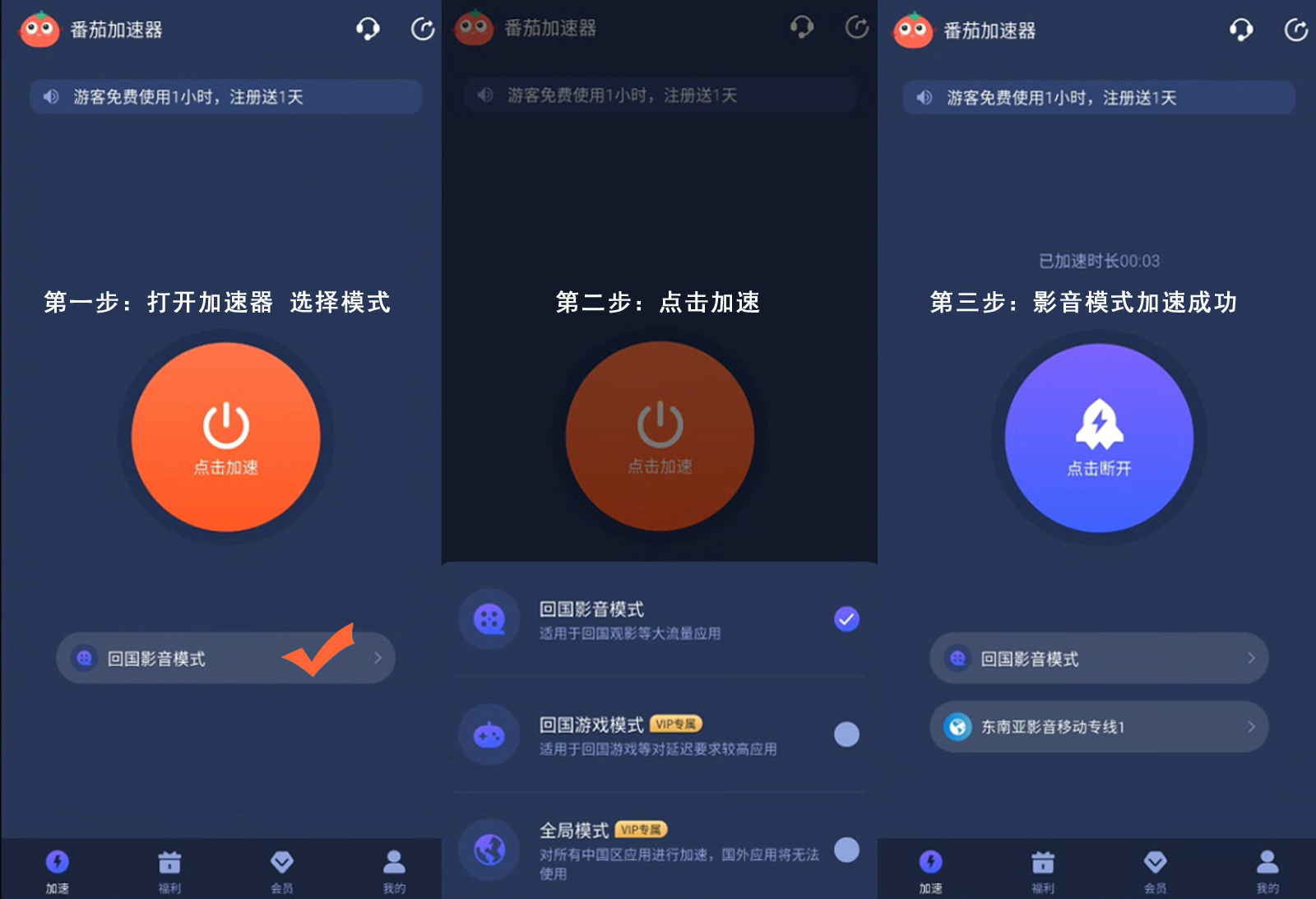
Going back to the initial question: Is NordVPN good for 回国 access? It’s okay, but not optimized for our needs. 迅游 and 云极 have their pros and cons, and Quickback vs. 快帆—快帆 is better but not perfect. But if you want a seamless, hassle-free experience, 番茄加速器 is the way to go. It’s the tool that finally let me enjoy Chinese content and stay connected with my family and friends without any barriers. Give it a try—you won’t regret it.